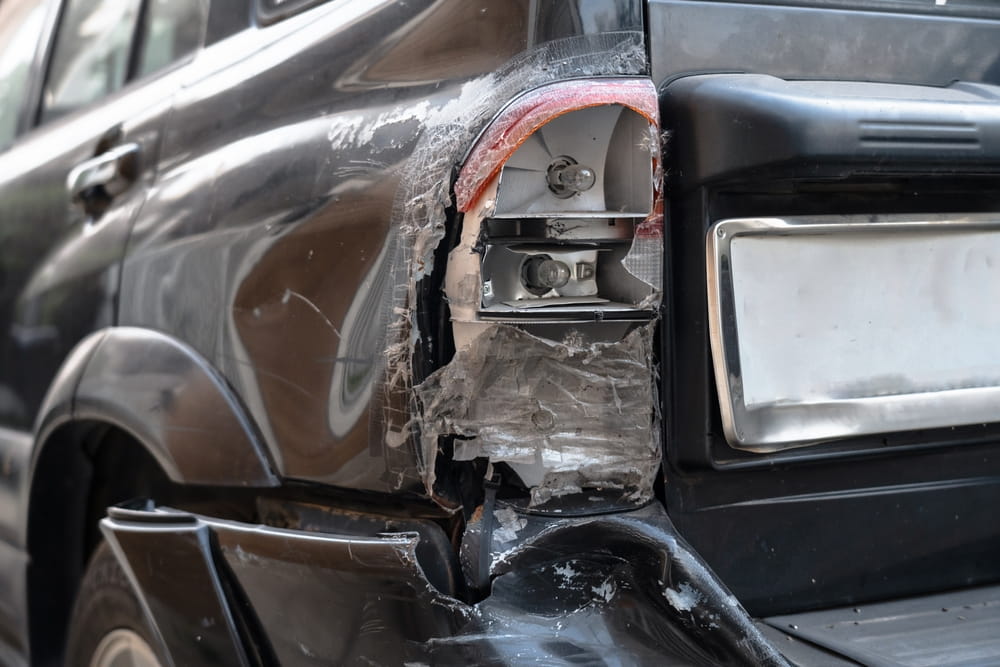
After a Philadelphia rear-end accident, more than one insurance policy may come into play. Your own first-party medical benefits can cover eligible treatment while insurers are still deciding who caused the crash. If the driver behind you was at fault, that driver’s liability coverage may also pay for vehicle damage and other losses tied to the collision. A rear impact does not settle fault by itself.
What happened in the seconds before the crash still matters. Pennsylvania’s comparative-negligence rule, available policy limits, and the injured person’s limited-tort or full-tort selection can all affect recovery. State law requires at least $5,000 in medical benefits coverage. A Philadelphia car accident lawyer can review the crash and the policies involved to see where payment may come from.
Table of Contents
- Who Pays After a Philadelphia Rear-End Crash?
- How Does Fault Affect Who Pays?
- What Mistakes Can Reduce Rear-End Compensation?
- When Should You Contact a Philadelphia Car Accident Lawyer?
- Frequently Asked Questions
Who Pays After a Philadelphia Rear-End Crash?
Not every loss is paid from the same place. Medical care may go through first-party benefits, while repairs, lost income, and other damages can depend on liability coverage and fault.
Is the Rear Driver Always Responsible?
No. Often, the driver in the back becomes the focus of the fault investigation, especially when following distance, distraction, or speed made a safe stop impossible. A Philadelphia rear-end accident may involve any of those issues, and Pennsylvania requires drivers to travel at a speed that lets them stop within the assured clear distance ahead. Still, rear-end accident liability is not automatic. To determine who is at fault in a rear-end accident, the lead driver’s conduct also matters. A sudden lane change, unsafe move into traffic, or other action just before impact may shift some responsibility.
Which Insurance Pays After a Rear-End Crash?
Pennsylvania car accident insurance covers treatment for first-party medical benefits after an accident. Each driver must carry at least $5,000 in medical benefits, but drivers may purchase higher coverage. Liability insurance contributions follow different rules. If a driver causes an accident, the motorist’s bodily-injury component may pay the injured driver for the incident, and the property-damage component may pay the repair costs of the other driver’s car and/or any other damaged property. Pennsylvania requires drivers to have at least $15,000 for one person’s injuries and $30,000 total for all injuries in a single incident and $5,000 for property damage.
How Does Fault Affect Who Pays?
Fault can change both where payment comes from and how much an injured person can recover.
What If the Rear Driver Is Negligent?
Take a rear-end collision Philadelphia case where someone is stopped at a red light, and another vehicle hits them from behind. The injured driver does not necessarily have to wait for the liability dispute to end before getting medical bills paid because first-party benefits may start covering eligible treatment. Other losses may depend on the rear driver’s liability policy. In a Philadelphia car accident claim, medical records, wage information, photographs, repair bills, and other evidence can help show what happened and what the crash actually cost.
What If Both Drivers Share Fault?
Pennsylvania allows responsibility to be split. Suppose a lead driver moves sharply into another lane just before being hit. The rear driver may still be partly responsible, but the lead driver could share some of the blame. That percentage can make a real difference because damages are reduced by the claimant’s share of causal negligence. If the claimant is more negligent than the defendant, or the defendants combined, recovery is barred. Rear-end collision compensation therefore depends on both the losses and the final allocation of fault.
What Mistakes Can Reduce Rear-End Compensation?
One common mistake is assuming the case is obvious because the damage is on the back of one vehicle. The moments leading up to impact may tell a different story.
Why Should You Not Assume the Rear Driver Is at Fault?
Where the cars ended up is not the end of the story. Lane position or damage patterns may be visible in photos and videos and can show whether a driver suddenly merged, stopped quickly, or hit another car. Witness reports, police reports, traffic signals, and braking evidence often hold more information and occur after the incident. The rear driver is not totally off the hook. They still have a responsibility not to drive too close and to drive at a safe speed. When analyzing the cars’ positions, Pennsylvania’s rules consider everyone’s actions, not just the positions of the damaged vehicles.
How Can Tort Selection Affect Compensation?
Most Pennsylvania drivers purchase either limited or full tort coverage, and have to make that choice afterward when they get injured. Limited tort preserves recoverable economic damages, and pain and suffering damages can be recovered if the driver has serious injuries or falls within a statutory exception. Full tort coverage allows drivers the right to recover a wider range of qualifying non-economic damages. For this reason, drivers with the same injuries can have different recovery options based on the other driver’s insurance choice.
When Should You Contact a Philadelphia Car Accident Lawyer?
A claim can become difficult once the parties start disagreeing about fault, insurance coverage, injury causation, or tort status.
When Do Fault Disputes Need Legal Review?
A car accident lawyer in Philadelphia may be useful when the drivers give conflicting accounts, or the insurer questions how the collision occurred. Legal review may also make sense if treatment continues for months, lost income is substantial, several vehicles were involved, or the available insurance looks too low. Limited-tort disputes can create another problem. Looking at these issues early may help preserve video, witness information, medical records, and other evidence before it becomes difficult to obtain.
How Can a Lawyer Determine Who Should Pay?
A lawyer should review insurance policies for first-party benefits, policy limits, ‘tort’ status, and the liability coverage of the other driver. They should then review the medical bills and wage records and compare them to the losses being claimed. During the investigation, other policies or people may be identified whose liability may need to be addressed. Any settlement should not be based solely on an insurer’s offer. The settlement should be based on the evidence of the expected loss.
Frequently Asked Questions
Who Pays Medical Bills After a Pennsylvania Rear-End Crash?
First-party medical benefits generally pay covered accident-related treatment first. Pennsylvania requires at least $5,000 in medical benefits coverage, and drivers can purchase higher limits.
Is the Rear Driver Always at Fault?
No. Rear impact crashes don’t automatically mean negligence. However, if the driver failed to leave enough stopping distance, you can make a strong negligence argument. The lead driver’s actions help determine fault.
Can You Recover Pain and Suffering After a Rear-End Crash?
Possibly. Full-tort claimants generally have broader rights to seek non-economic damages. Limited-tort claimants usually must prove a serious injury or qualify for an exception under 75 Pa.C.S. § 1705.
What If the At-Fault Driver Is Underinsured?
It depends on the coverage that is available. Recovery may come from the at-fault driver’s liability policy, uninsured or underinsured motorist coverage if purchased, or another party that shares responsibility for the crash.
What Is the Pennsylvania Car Accident Filing Deadline?
Pennsylvania generally allows two years to file a negligence-based personal injury lawsuit. Some insurance notice rules and claims involving government entities have shorter deadlines, so the two-year period should not be treated as extra time to wait.